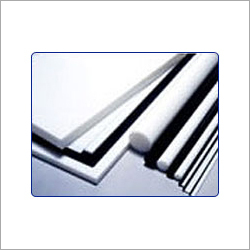
Product Description
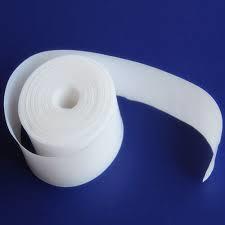
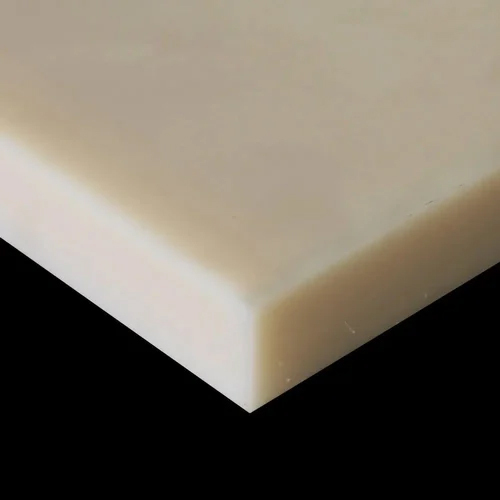
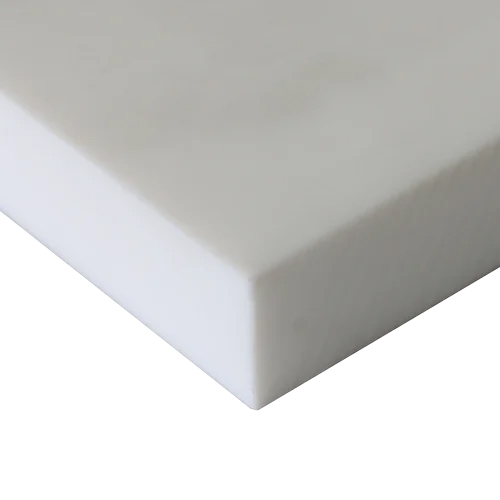
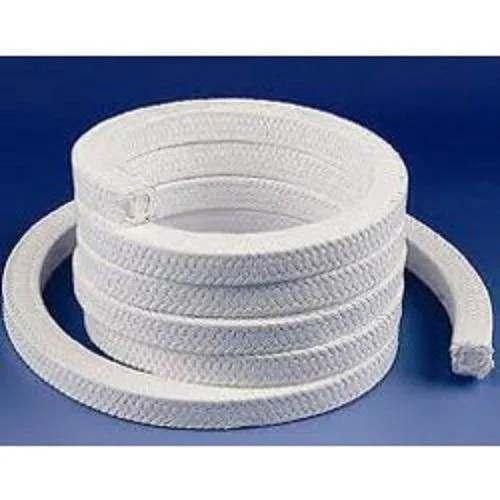
PTFE strip is used as an integral part of material handling equipments that include injection molding system, various types of controlling equipments and mobile hydraulics systems. This sealing strip can be used at maximum 4 kg/cm2 operating pressure. Based on application type, this black strip can be used at -80 degree C to 200 degree C temperature range. PTFE strip is well known for its excellent thermal attributes, minimal wear rate, abrasion protection capacity and extrusion resistance attributes. This sealing strip can easily integrate with different sorts of fluids. This sealing material is especially suitable for tough working conditions.
Product details
| Material | PTFE |
| Operation Temperature | -80 - 200 deg C |
| Style | Sealing Strip |
| Working Pressure | Upto 4 kg/cm2 |
| Brand | JK |
Engineered for ReliabilityUtilizing virgin PTFE, the strip ensures remarkable chemical resistance, non-flammability, and an extremely low water absorption rate. The durability and precision of these strips cater to stringent industrial standards, making them ideal for challenging environments that demand consistent performance.
Versatile Customization OptionsOur PTFE strips are available in various widths, lengths, and thicknesses. With the flexibility to tailor sizes according to specific requirements, clients receive solutions best suited for gaskets, seals, and insulative applications, ensuring compatibility with a broad spectrum of equipment and environments.
Superior Performance in Extreme ConditionsThe materials excellent dielectric strength, high elongation at break, and operational temperature range from -200C to +260C empower it to maintain integrity in extreme thermal and electrical settings. These properties provide peace of mind where safety and performance are paramount.
FAQs of PTFE Strip:
Q: How can PTFE strips be used in sealing and insulation applications?
A: PTFE strips serve as effective sealing and insulation materials due to their chemical inertness, low water absorption, and wide temperature tolerance. They are commonly used as gaskets and liners in industrial machinery and electrical equipment to prevent leaks and insulate electrical components.
Q: What benefits does the high chemical resistance of PTFE strips provide?
A: The high chemical resistance allows PTFE strips to withstand harsh acids, bases, and solvents without degrading. This feature extends lifespan and performance, especially in corrosive process environments, reducing maintenance and replacement costs.
Q: When is it most suitable to select PTFE strips with Shore D hardness of 50-60?
A: This hardness range is suitable when both flexibility and structural support are required, such as in dynamic seals or insulative padding exposed to moderate mechanical stress. It ensures the strip conforms under pressure while maintaining shape and durability.
Q: Where can PTFE strips be applied safely considering their thermal properties?
A: With a working range from -200C up to 260C and a melting point of 327C, PTFE strips can be applied in environments with frequent temperature fluctuations, such as chemical plants, food processing units, and electronics manufacturing.
Q: What is the process for obtaining custom-sized PTFE strips?
A: Clients simply provide their required width (10-100 mm), thickness (0.2-3 mm), and length (1-10 m). Our manufacturing team then fabricates the strips to precise specifications, ensuring they fit the intended equipment or application flawlessly.
Q: How does the non-flammable property benefit industrial applications?
A: Being non-flammable enhances workplace safety, especially in high-temperature or electrical applications. This property minimizes fire risk, making PTFE strips a reliable choice for industries where safety regulations are stringent.
Q: What is the advantage of PTFE strips excellent dielectric strength in practical use?
A: With a dielectric strength of 60 kV/mm, PTFE strips effectively insulate against high voltages, preventing electrical leakage or arcing. This makes them indispensable for insulating electrical panels, cables, and sensitive electronic components.



 English
 Spanish
 French
 German
 Italian
 Chinese (Simplified)
 Japanese
 Korean
 Arabic
 Portuguese
 Mobile : 08045803040
 Chat with us





 Send Inquiry
 Send SMS
 Call Me Free

 Send Inquiry
 Send Inquiry
 Send SMS
 Call Me Free