Product Description
Asbestos Jointing Sheets
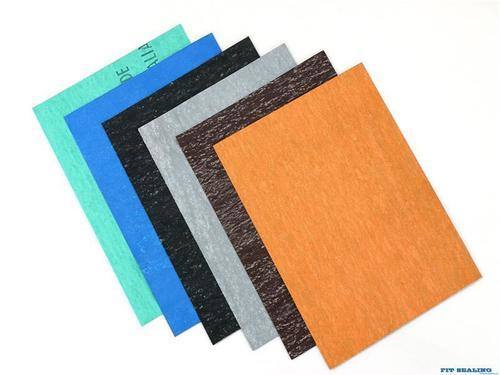
Well backed by a wide distribution network and reliable vendor base, we are trading and supplying a premium range of Asbestos Jointing Sheets. Manufactured using premium grade chryssotile asbestos fibre and heat resisting rubber, these sheets are used in marine engines and electricity generating sets. Our Asbestos Jointing Sheets are appreciated for their attributes like pressure & temperature resistance, light weight and durable finish. Furthermore, we can also customize these sheets as per the needs of the clients.
Further Details:
- Saturated stream
- Oxygen
- Petroleum distillates
- Oils & fats
- Fuels
- Internal combustion engines
- Hydrocarbons
- Solvents
- Dyes
Compressed Asbesto Fibre Jointing is a consistently uniform and resilient product. A price worthy quality of dependable performance, plus adaptability to many sealing requirements marks this Steam Jointing the choice sheet packing of plant Engineers and maintenance men.
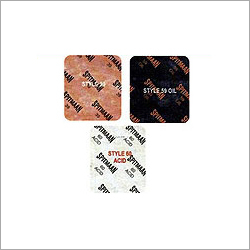
Spitmaan style 20 jointings are developed for general purpose applications and this quality is applicable to a wide range of duties with less severe working conditions of temperature and pressure.
This is a specialized Asbestos Fibre Jointing sheet which is intimately bonded with Acid resisting compound, to with stand the corrosive action of acids and chemicals. Recommended for use against hot concentrated organic, inorganic and mineral acids including hydrochloric, sulphuric(oleum) and nitric acids, under service conditions of temperature and pressures commonly encountered in chemicals industries
Engineered for Robust Industrial ApplicationsDesigned with a minimum tensile strength of 10 MPa and reliable oil resistance, these jointing sheets are ideal for high-pressure and high-temperature environments. Their excellent resistance to steam, gases, and flames makes them a trusted choice for sealing solutions in power plants, refineries, and chemical industries.
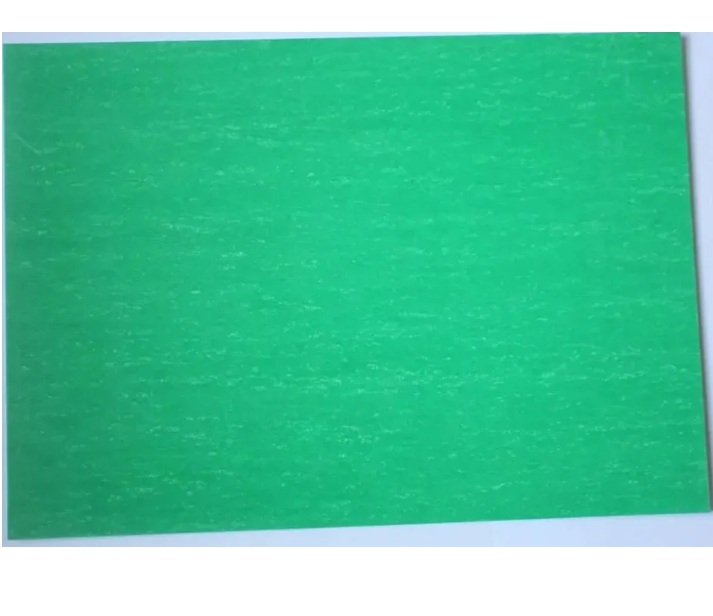
Comprehensive Options and Easy HandlingAvailable in green rectangular sheets with thicknesses ranging from 0.3mm to 12mm and two standard sizes, these sheets provide versatility for diverse industrial uses. Packaged on wooden pallets or in convenient roll formats, they ensure easy storage and handling during transport and installation.
Certified Quality and Storage GuidelinesComplying with IS 2712 Grade W/3 and BS 2815 certifications, these sheets meet stringent quality benchmarks. For optimal shelf-life and performance, store them in a cool, dry, and well-ventilated area, away from direct sunlight and moisture.
FAQs of Asbestos Jointing Sheets:
Q: How should Asbestos Jointing Sheets be stored to maintain their quality?
A: To ensure longevity and optimal performance, store the sheets in a cool, dry, and well-ventilated area. Avoid exposure to direct sunlight and moisture, as these conditions may compromise the sheets properties.
Q: What are the main benefits of using Asbestos Jointing Sheets for industrial sealing?
A: These sheets provide reliable sealing under high-pressure (up to 80 kg/cm) and temperature conditions (up to 380C), offer excellent resistance to steam, gases, oils, and solvents, and comply with recognized quality standards, ensuring safety and durability in critical applications.
Q: Where can Asbestos Jointing Sheets be applied effectively?
A: They are commonly used in power plants, refineries, chemical industries, and other industrial settings where high flame and chemical resistance are essential for gaskets and sealing components.
Q: What is the standard process for installing these jointing sheets?
A: Installation involves cutting the sheet to the desired size and shape, then fitting it as a gasket or sealing component between flange surfaces. Proper handling and tool selection are essential to maintain the smooth finish and structural integrity of the sheet.
Q: When is it advisable to use Asbestos Jointing Sheets instead of other sealing materials?
A: Opt for these sheets when the application requires high resistance to steam, gases, oils, and elevated temperatures and pressures, particularly in compliance with IS 2712 Grade W/3 and BS 2815 standards.
Q: How does the sheets density and low water absorption impact its performance?
A: With a density of 1.7 g/cm and water absorption below 5%, the sheets exhibit enhanced mechanical strength and durability, reducing the risk of warping or deterioration during prolonged use in demanding conditions.



 English
 Spanish
 French
 German
 Italian
 Chinese (Simplified)
 Japanese
 Korean
 Arabic
 Portuguese
 Mobile : 08045803040
 Chat with us





 Send Inquiry
 Send SMS


 Send Inquiry
 Send Inquiry
 Send SMS